
Differences between Australia & the rest of world - a Fable
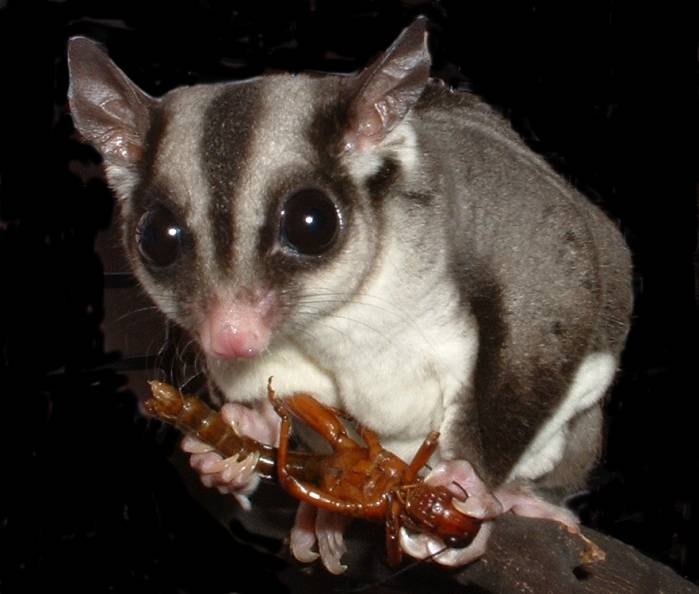
I don't know the provenance of this fable, but it does illustrate some key differences between Australia and other parts of the world ...
The Squirrel and The Grasshopper
The squirrel works hard in the withering heat all summer long, building and improving his house and laying up supplies for the winter.
The grasshopper thinks he's a fool, and laughs and dances and plays the summer away.
Come winter, the squirrel is warm and well fed. The shivering grasshopper has no food or shelter, so he dies out in the cold.
The squirrel works hard in the withering heat all summer long, building his house and laying up supplies for the winter.
The grasshopper thinks he's a fool, and laughs and dances and plays the summer away.
Come winter, the squirrel is warm and well fed.
A social worker finds the shivering grasshopper, calls a press conference and demands to know why the squirrel should be allowed to be warm and well fed while others less fortunate, like the grasshopper, are cold and starving.
The ABC shows up to provide live coverage of the shivering grasshopper; with cuts to a video of the squirrel in his comfortable warm home with a table laden with food.
The Australian press informs people that they should be ashamed that in a country of such wealth, this poor grasshopper is allowed to suffer so while others have plenty.
The Labour Party, Greenpeace, Animal Rights and The Grasshopper Housing Commission of Australia demonstrate in front of the squirrel's house.
The ABC, interrupting a cultural festival special from St Kilda with breaking news, broadcasts a multi cultural choir singing 'We Shall Overcome'.
Bill Shorten rants in an interview with Laurie Oakes that the squirrel got rich off the backs of grasshoppers, and calls for an immediate tax hike on the squirrel to make him pay his 'fair share' and increases the charge for squirrels to enter Melbourne city centre.
In response to pressure from the media, the Government drafts the Economic Equity and Grasshopper Anti Discrimination Act, retroactive to the beginning of the summer. The squirrel's taxes are reassessed. He is taken to court and fined for failing to hire grasshoppers as builders,
for the work he was doing on his home, and an additional fine for contempt when he told the court the grasshopper did not want to work.
The grasshopper is provided with a Housing Commission house, financial aid to furnish it and an account with a local taxi firm to ensure he can be socially mobile. The squirrel's food is seized and re-distributed to the more needy members of society - in this case the grasshopper.
Without enough money to buy more food, to pay the fine and his newly imposed retroactive taxes, the squirrel has to downsize and start building a new home.
The local authority takes over his old home and utilises it as a temporary home for asylum seeking cats who had hijacked a plane to get to Australia as they had to share their country of origin with mice.
On arrival they tried to blow up the airport because of Australians' apparent love of dogs.
The cats had been arrested for the international offence of hijacking and attempted bombing but were immediately released because the police fed them pilchards instead of salmon whilst in custody.
Initial moves to make then return them to their own country were abandoned because it was feared they would face death by the mice.
The cats devise and start a scam to obtain money from people's credit cards.
A 60 Minutes special shows the grasshopper finishing up the last of the squirrel's food, though spring is still months away, while the Housing Commission house he is in, crumbles around him because he hasn't bothered to maintain it. He is shown to be taking drugs.
Inadequate government funding is blamed for the grasshopper's drug 'Illness'.
The cats seek recompense in the Australian courts for their treatment since arrival in Australia.
The grasshopper gets arrested for stabbing an old dog during a burglary to get money for his drugs habit. He is imprisoned but released immediately because he has been in custody for a few weeks. He is placed in the care of the probation service to monitor and supervise him.
Within a few weeks he has killed a guinea pig in a botched robbery.
A commission of enquiry, that will eventually cost $10 million and state the obvious, is set up.
Additional money is put into funding a drug rehabilitation scheme for grasshoppers.
Legal aid for lawyers representing asylum seekers is increased.
The asylum seeking cats are praised by the government for enriching Australia's multicultural diversity and dogs are criticised by the government for failing to befriend the cats.
The grasshopper dies of a drug overdose.
The usual sections of the press blame it on the obvious failure of government to address the root causes of despair arising from social inequity and his traumatic experience of prison.
They call for the resignation of a minister.
The cats are paid $1 million each because their rights were infringed when the government failed to inform them there were mice in Australia.
The squirrel, the dogs and the victims of the hijacking, the bombing, the burglaries and robberies have to pay an additional percentage on their credit cards to cover losses, their taxes are increased to pay for law and order, and they are told that they will have to work beyond 65 because of a shortfall in government funds.
PS: the image is an Australian Sugar Glider, not quite a squirrel, eating a grasshopper