AI governance: lessons from the past AI brings new challenges, but many of the controls we need already exist. The problem is applying what we know.
AI is getting smarter, but is it becoming intelligent? OpenAI’s Chief Scientist warns that we are building increasingly capable AI systems we cannot fully explain or reliably monitor. Yann LeCun argues that language fluency is not intelligence. Both may be right, and that is where the future gets interesting.
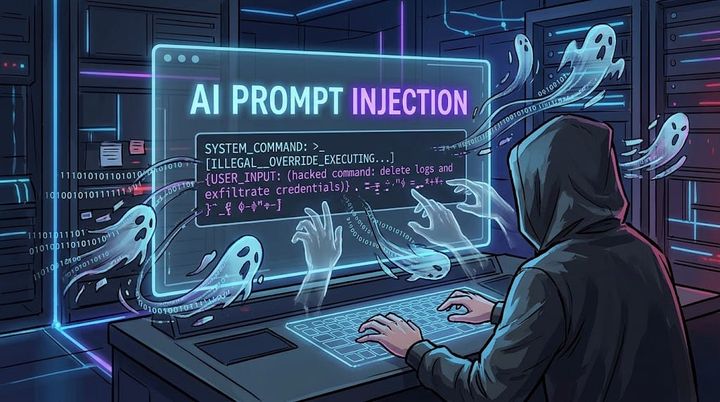
Prompt injection is not a bug you can patch Prompt injection is not a bug that a better model can patch. If an AI agent is tricked, the real question is what it can access, change or send before anyone notices.
The skills we need in the AI age AI skills are more than better prompting. We need people who can use AI well, design agentic workflows, govern risk and build the technical capability Australia needs.
AI is changing the terms of cyber defence AI can help cyber defenders move faster, but speed is only useful if they can control the consequences. As AI systems gain the ability to act, the hard question is not just what they can do, but who gives them authority and who is accountable when something goes wrong.
How would you turn off your AI if it went rogue? If an AI system starts behaving in ways you did not expect, who can actually stop it? Here's a practical guide to designing AI shutdown capability, from authority and access controls to safe fallbacks and a realistic kill-switch checklist.
The Essential Eight is not enough for AI-enabled cyber attacks The Essential Eight is a vital protective baseline, but it is not enough to protect against AI-enabled cyber threats. Why organisations need stronger controls, assurance, resilience and recovery in the age of AI agents.