Effective Human-in-the-Loop AI Governance What need to think seriously about what effective human-in-the-loop looks like at the start of the AI age.
If we cannot specify it, we cannot govern it AI systems are increasingly trusted to act, not just to answer. Our ability to check what they can actually do has not kept pace. Formal methods will not give us certainty, but they can force us to say precisely what a system must never do.
How transformers changed AI forever The Transformer did more than improve language models. It made it possible to train AI systems that understand context at extraordinary scale, laying the foundations for today’s large language models and generative AI.
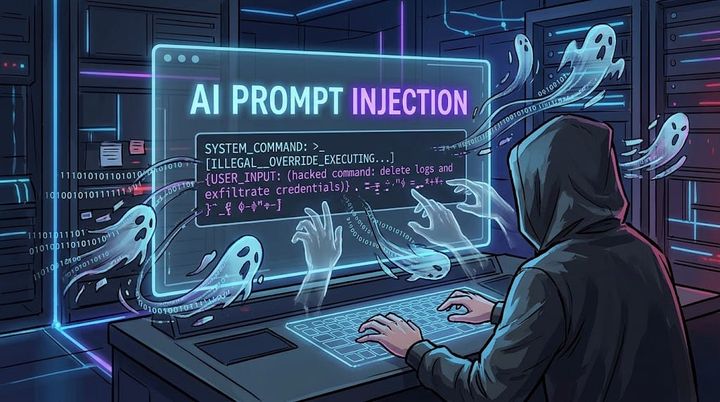
Prompt injection is not a bug you can patch Prompt injection is not a bug that a better model can patch. If an AI agent is tricked, the real question is what it can access, change or send before anyone notices.
The skills we need in the AI age AI skills are more than better prompting. We need people who can use AI well, design agentic workflows, govern risk and build the technical capability Australia needs.
Smaller models are the future of AI sovereignty Real sovereignty is not autarky. It is the ability to choose, govern, replace and, when necessary, walk away from the AI systems our institutions depend on.
AI is changing the terms of cyber defence AI can help cyber defenders move faster, but speed is only useful if they can control the consequences. As AI systems gain the ability to act, the hard question is not just what they can do, but who gives them authority and who is accountable when something goes wrong.