Basic cyber defences every organisation needs beyond the Essential Eight Cyber basics go beyond the Essential Eight. They need working controls, clear ownership and people with the authority to act. Here are 10 things to check.
How transformers changed AI forever The Transformer did more than improve language models. It made it possible to train AI systems that understand context at extraordinary scale, laying the foundations for today’s large language models and generative AI.
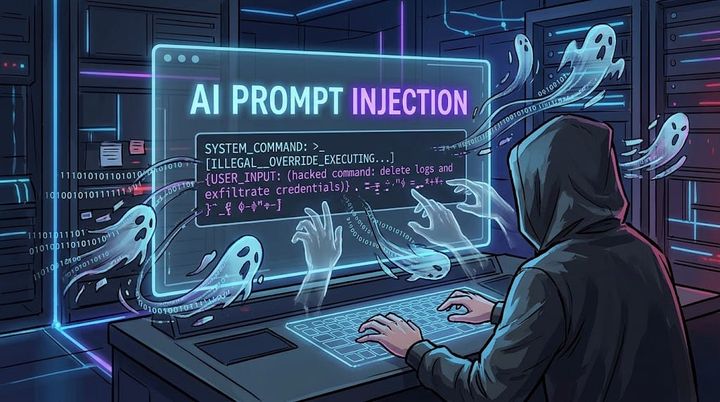
Prompt injection is not a bug you can patch Prompt injection is not a bug that a better model can patch. If an AI agent is tricked, the real question is what it can access, change or send before anyone notices.
Smaller models are the future of AI sovereignty Real sovereignty is not autarky. It is the ability to choose, govern, replace and, when necessary, walk away from the AI systems our institutions depend on.
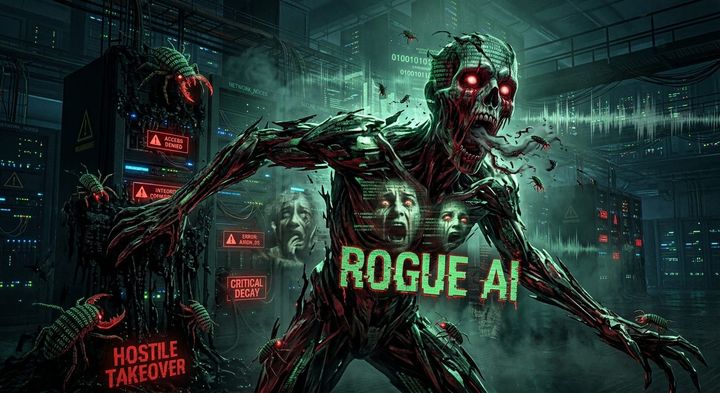
How would you turn off your AI if it went rogue? If an AI system starts behaving in ways you did not expect, who can actually stop it? Here's a practical guide to designing AI shutdown capability, from authority and access controls to safe fallbacks and a realistic kill-switch checklist.
The Essential Eight is not enough for AI-enabled cyber attacks The Essential Eight is a vital protective baseline, but it is not enough to protect against AI-enabled cyber threats. Why organisations need stronger controls, assurance, resilience and recovery in the age of AI agents.
We are the problem: how AI training shapes behaviour, risk and restraint AI has no conscience, civic duty or intrinsic values. It learns from a corpus containing the best and worst of human behaviour, then pursues the objectives we reward and the actions we permit.